

CHARLIE CAHOON – RALEIGH, NORTH CAROLINA
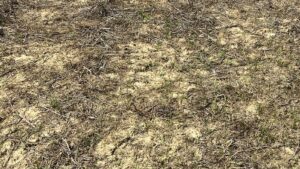
The 2026 planting season is moving at a breakneck pace, but the persistent lack of moisture is raising critical questions about our weed control programs. In most North Carolina systems, we are entirely at the mercy of rainfall or irrigation to activate residual herbicides (moving them into the weed seed germination zone).
The 7-to-10 Day Window
Ideally, residuals should be activated within 7 to 10 days of application. Beyond this window, we face two primary failures:
- Escapes: Weeds will emerge through the inactive herbicide layer and survive.
- Degradation: Herbicides sitting on the soil surface are susceptible to photodegradation (breakdown by sunlight), reducing their longevity.
With sporadic rain chances forecasted through the end of April, growers should consider the following strategic adjustments:
Strategic Recommendations for Dry Conditions
- Don’t Abandon Residuals: You have zero chance of activation if you don’t use a residual. However, it is reasonable to shift toward economical options when activation chances are slim. If you typically run a premium 3-way mix behind the planter, consider dropping to a single foundational residual targeting your most troublesome weed. Consider saving those dollars for a residual in your early postemergence pass.
- Postemergence Flexibility: In corn, many atrazine + Group 15 premixes can be shifted from preemergence to early postemergence to wait for better rain prospects. Note: This flexibility is much more limited in cotton and soybean, where many residuals must be applied before crop emergence.
- Irrigation & Tillage: If you have overhead irrigation, use it. Generally, 0.5″ to 1.0″ of water is sufficient for activation. In conventional systems, mechanical incorporation is an option, but it must be even and 2–3 inches deep. In my observation, vertical tillage (e.g., turbo tills) is rarely deep or consistent enough to properly incorporate residual herbicides.
- Scout for Weeds Earlier: If we miss an activating rain, residuals will fail. Expect weeds to emerge sooner and be larger at your normal postemergence timing. This warrants diligent scouting; if your preemergence program didn’t catch the weeds, it may necessitate earlier postemergence applications to stay ahead of weeds.
A Note on Valor & Cotton Planting
If you applied Valor (flumioxazin) as a burndown and are itching to plant cotton, proceed with caution. In no-till or strip-till systems, the label is specific: you must have at least one inch of rainfall between application and planting, in addition to the waiting interval (14 days for 1 oz/A; 21 days for 1.5–2 oz/A). Pushing to plant without the required amount of rainfall may lead to cotton injury. ∆
CHARLIE CAHOON – NORTH CAROLINA STATE UNIVERSITY
LINK: https://cotton.ces.ncsu.edu/news/managing-residual-herbicides-during-a-dry-spring/